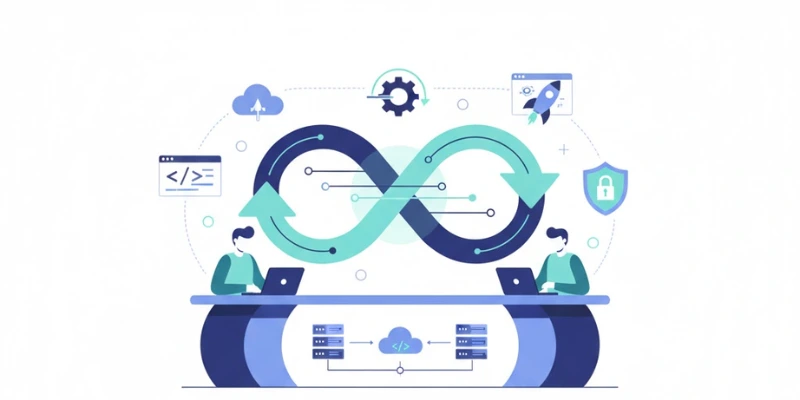
Modern software development demands speed, reliability, and teamwork, all of which are made possible through DevOps practices. By blending development and operations into a unified workflow, DevOps transforms how teams deliver software. For learners eager to build careers in cloud-based development and automation, DevOps Course in Trichy offers a structured foundation to understand how this approach enhances collaboration, reduces deployment time, and improves product quality in real-world projects.
Collaboration Between Development and Operations
The core principle of DevOps lies in bridging the gap between developers and operations teams. Instead of working in isolation, both groups collaborate throughout the software lifecycle from planning and coding to deployment and monitoring. This shared responsibility minimizes communication barriers and ensures faster, smoother product releases. The culture shift toward transparency and shared ownership is what makes DevOps effective in real projects.
Continuous Integration and Continuous Delivery
Continuous Integration (CI) ensures that developers frequently merge their code into a shared repository, while Continuous Delivery (CD) automates the process of testing and deploying that code. Together, CI/CD pipelines help identify issues early and make deployment more reliable. These processes are vital in maintaining quality and stability across multiple updates, which is especially valuable in fast-moving development environments.
Infrastructure as Code (IaC) in Real Projects
Infrastructure the Code allows teams to manage and provision infrastructure using code instead of manual setup. Tools like Terraform and Ansible enable version-controlled, repeatable configurations that reduce human errors. This automation supports scalability and consistency, making it easier to replicate environments for testing and production, a crucial aspect of DevOps workflows in organizations of all sizes.
Monitoring and Feedback Loops
Once software is deployed, continuous monitoring becomes essential for performance optimization. DevOps encourages real-time tracking of application metrics, system health, and user experience. Feedback loops help teams quickly identify issues and improve future releases. This ongoing process of learning and refining aligns with the DevOps goal of delivering better products through collaboration and automation.
Integration with Cloud Platforms
Cloud computing plays the central role in modern DevOps implementations. Cloud platforms provide flexible, scalable environments that support automation and remote collaboration. Learners who strengthen their technical understanding through AWS Training in Salem gain the skills to manage these environments effectively. By understanding how cloud-based resources work alongside DevOps tools, professionals can build scalable, efficient solutions that meet real project demands.
Automation Across the Pipeline
Automation is the backbone of DevOps. From code integration to deployment, automation tools ensure consistency and reduce manual intervention. Scripting, configuration management, and automated testing collectively speed up release cycles and enhance accuracy. In real-world projects, automation tools integrate seamlessly with monitoring systems to ensure that updates reach production faster without compromising quality or reliability.
The Role of Security in DevOps
Integrating security practices early in the development process often referred to as DevSecOps is now essential. Its ensures that vulnerabilities are identified and resolved during the development stage rather than after deployment. Security automation, continuous scanning, and compliance checks allow organizations to maintain trust while keeping operations agile. A strong grasp of secure development practices complements technical DevOps expertise effectively.
Cloud Collaboration and Scalability
With remote and distributed teams becoming common, cloud platforms enable smoother collaboration through centralized workflows and scalable environments. Professionals equipped with Cloud Computing Courses in Trichy understand how to deploy, monitor, and scale applications efficiently using cloud tools. This synergy between cloud and DevOps ensures better performance, resource management, and flexibility all crucial for delivering high-quality software in competitive industries.
Measuring Success in DevOps Projects
The success of a DevOps project can be measured through metrics like deployment frequency, lead time, failure rates, and recovery speed. These indicators reflect how effectively teams are collaborating and how efficiently systems are functioning. The ultimate goal is not just faster delivery but also sustained improvement, innovation, and customer satisfaction over time.
Overcoming Real-World Challenges
Implementing DevOps can present challenges such as tool integration, resistance to change, or maintaining consistent communication. Overcoming these obstacles requires adaptability and continuous learning. Professionals who embrace collaboration and automation mindset thrive in dynamic work environments, turning challenges into opportunities for process and skill enhancement.
Building a Future-Ready Career Through DevOps Mastery
Understanding how DevOps functions in real projects gives learners a comprehensive view of modern software delivery. By mastering collaboration, automation, and cloud integration, professionals become better equipped to meet the demands of evolving digital systems. Strengthening this foundation through AWS Training in Trichy helps learners stay future-ready, blending technical precision with real-world project execution to build long-lasting, impactful careers in technology.
Also Check: Unlocking Cloud Security: Understanding AWS Identity and Access Management (IAM)